How Winter Weather Affects Chicago Vinyl Siding
If you live in Chicago, you know how unforgiving the winters can be. With snow piling up, winds whipping through the streets, and temperatures dipping far below freezing, your home’s exterior takes a hit year after year. That kind of weather makes it even more important to keep your vinyl siding in good shape. It may be built to last, but winter’s harsh conditions can still wear it down when you least expect it.
Vinyl siding might not crack or chip as easily as some materials, but that doesn’t mean it’s safe from everything winter throws at it. Between ice buildup and constant freezing and thawing, your siding can show signs of stress without warning. The key is knowing what to look for and how your vinyl siding responds during the coldest months in Chicago.
The Impact of Snow and Ice
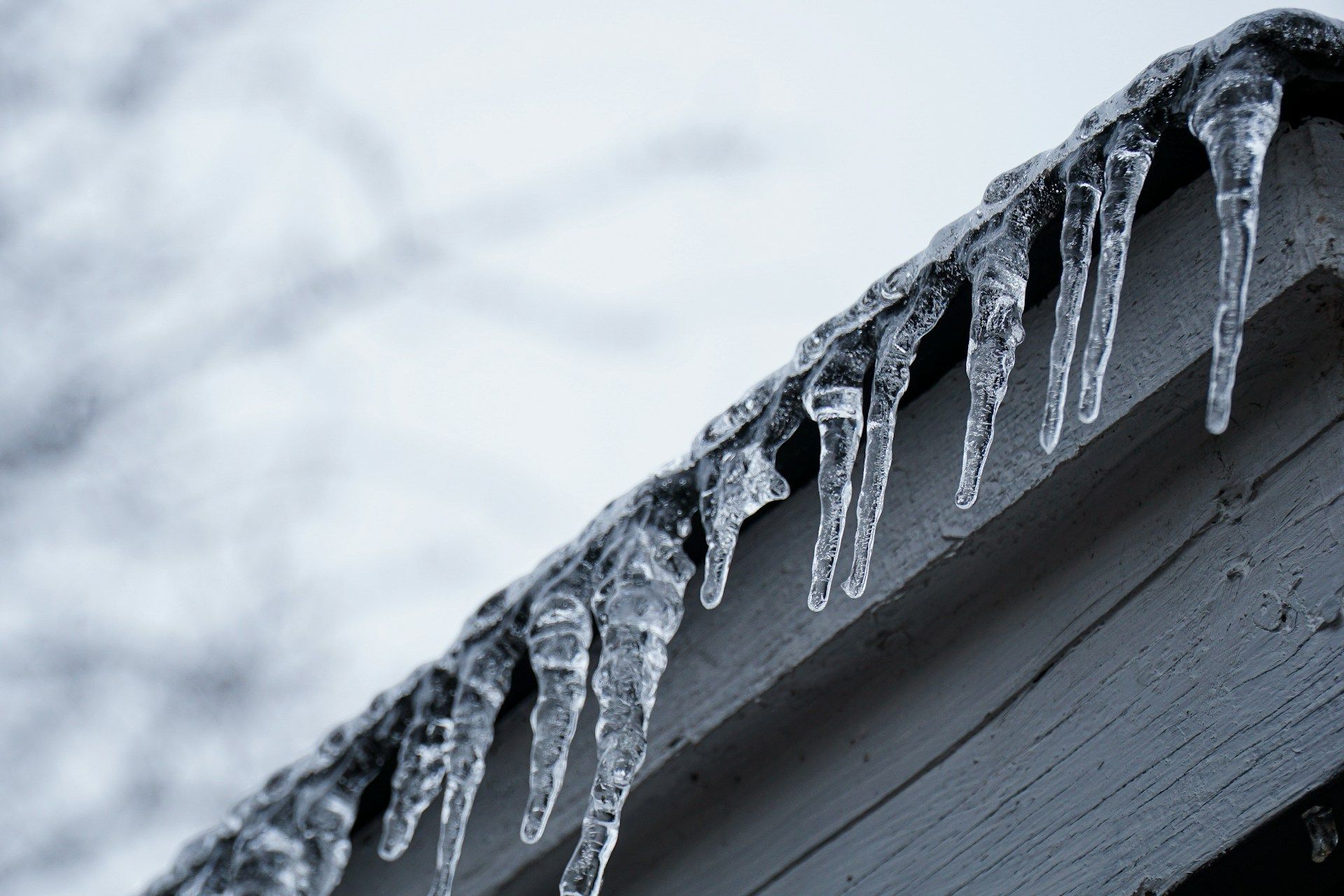
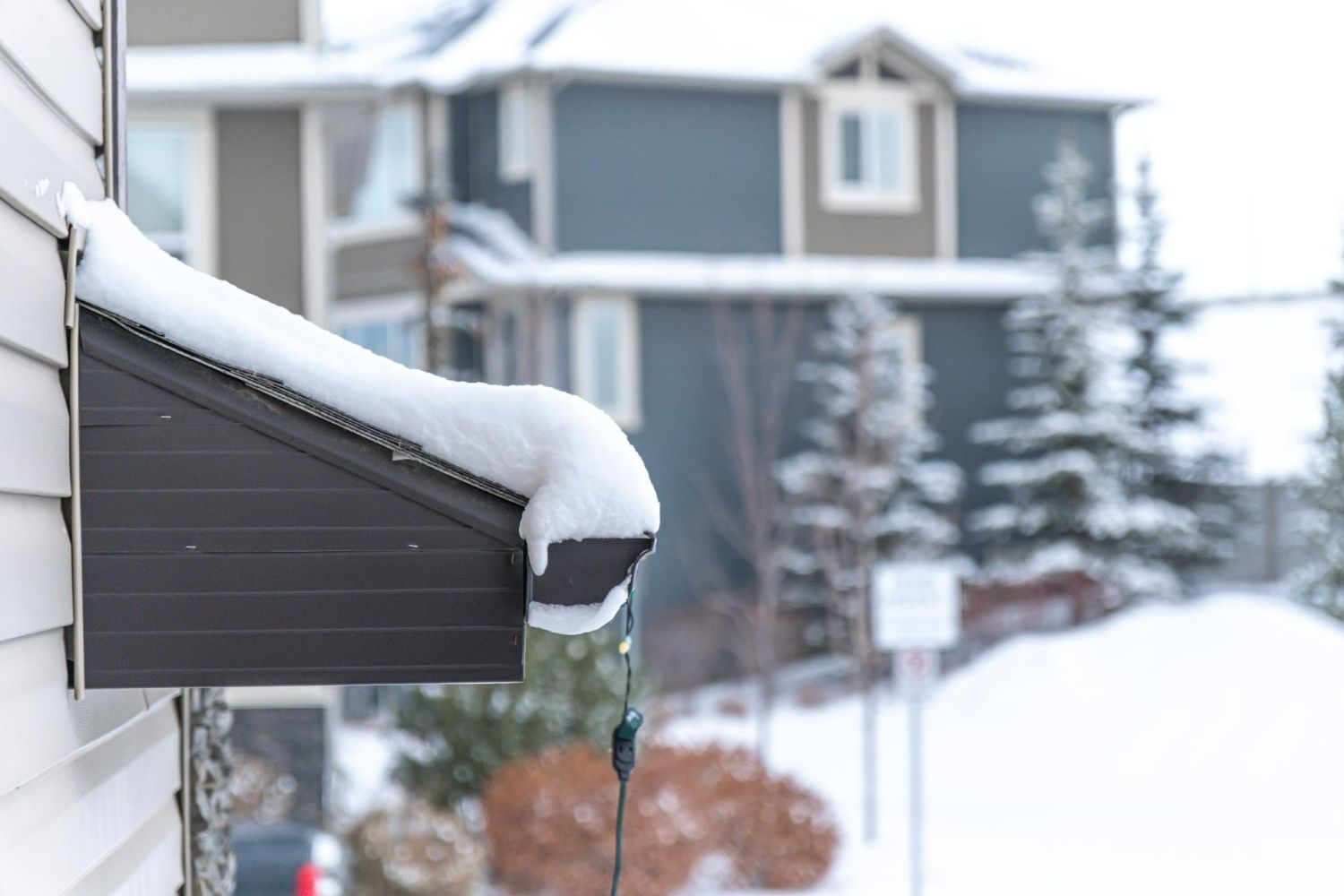
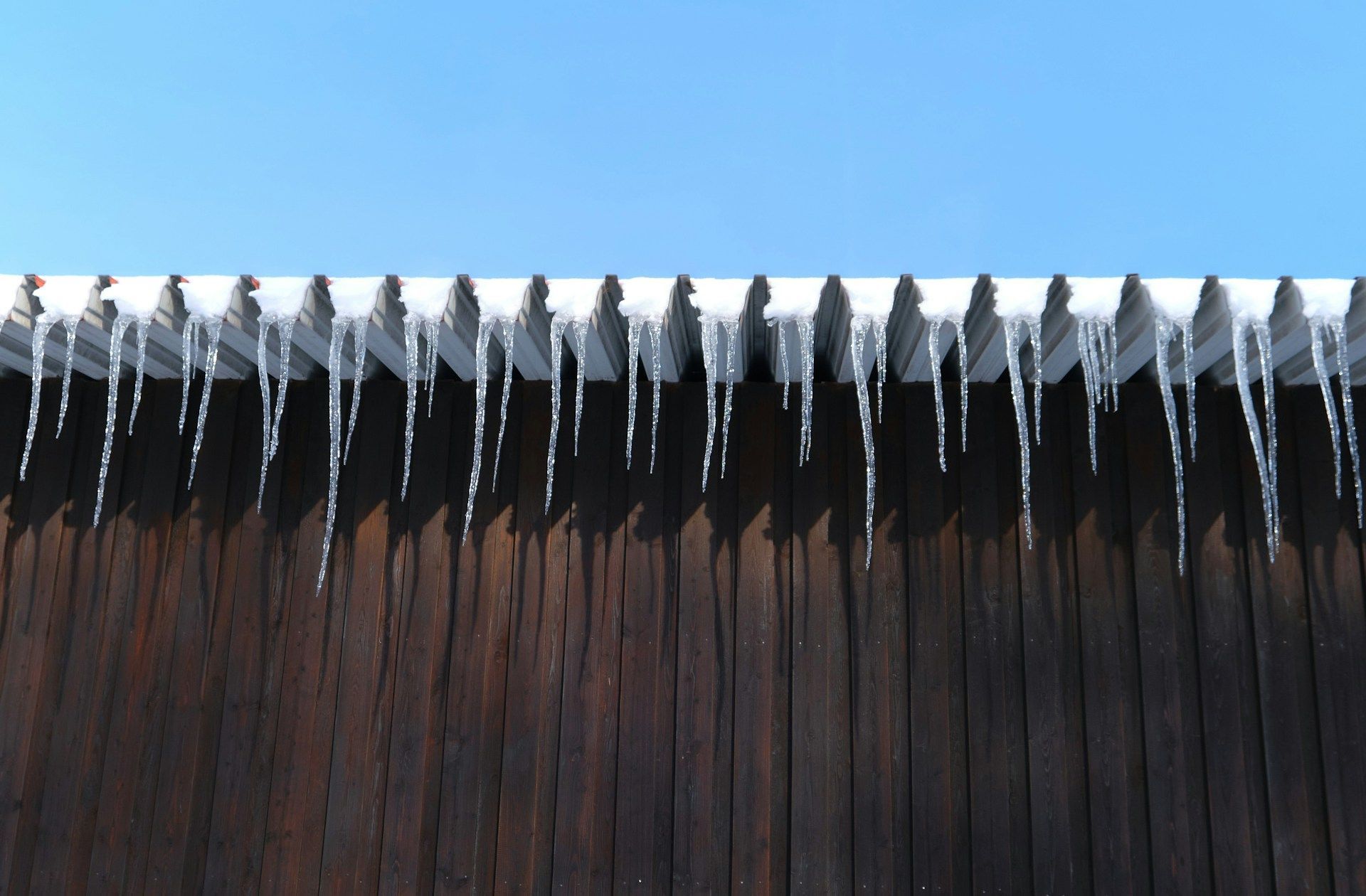
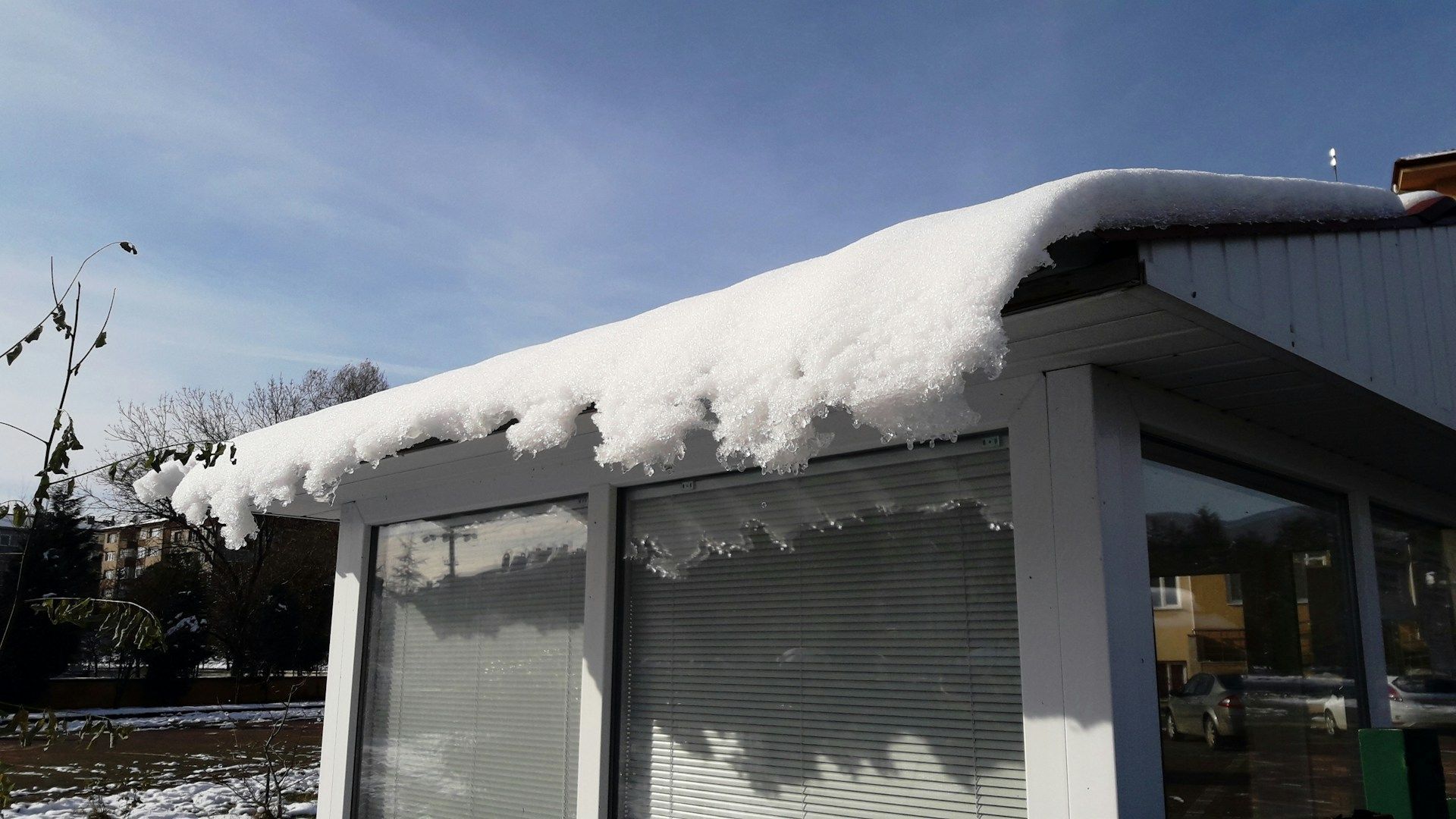
Snow might seem soft and light at first, but let it sit on your siding too long or mix in with heavy ice, and problems can start to show up. Snow drifts can press moisture into seams and gaps. When that moisture freezes, it expands, which can push panels out of place or cause warping. Ice dams that form around the base of your home or on the roof can lead to water running down your siding repeatedly, leaving it exposed for weeks.
Freezing rain and sleet do even more damage. They stick to the surface, and if temperatures stay low, that frozen coating can get heavier over time. The extra weight adds stress and can pull on hanging sections of siding, especially near corners or joints where fasteners are already under pressure.
Keep an eye out for:
- Panels that appear loose or bowing outward
- Misshapen edges or visible cracks running along seams
- Discoloration or streak marks from melted snow and ice
- Areas around windows and doors that seem damp due to poor drainage
These aren’t things you can always spot from a distance, so walking around your home when the weather clears a bit can help you catch problems early. It’s also a good idea to gently brush off snow when you can reach it safely, especially around the base of your home. Ignoring these signs could mean bigger repairs come spring.
Expansion and Contraction Issues
Temperature swings are part of life in Chicago, and your siding feels every degree of it. Vinyl naturally expands and contracts when the weather changes. On a mild day, it might flex outward, while a sharp drop in temperature could cause it to pull back and tighten up. These small movements, repeated again and again, wear on the material and mounting hardware over several seasons.
When not installed with enough flexibility or if pieces have shifted out of place over time, that expansion and contraction can create pressure points. These areas might show up as bulging panels or gaps that never quite close back up. In some cases, the movement causes nail slots to stretch, making it easier for moisture to sneak behind the siding and lead to future issues with insulation or even your home’s framing.
Let’s say your siding was installed a few years ago during the summer. Those panels were likely cut and nailed while expanded from the heat. Come winter, with temperatures dipping into the teens, they retract. If they were installed too tightly, that shift moves inward and makes the surface appear buckled or wavy.
Vinyl siding is built to handle this effect to a point, but there’s a fine balance. Once those joints and fasteners start giving way, it’s more than just a cosmetic issue. That’s why it’s helpful to be on the lookout for unusual spot changes or sounds like creaking and popping during colder days. These small signs can tell you that your siding’s response to Chicago’s winter weather is becoming less predictable.
Maintenance Tips for Winter Weather
Keeping your siding in good shape through a Chicago winter doesn’t have to be complicated. It starts with paying attention to smaller signs and doing what you can before things turn into larger, more expensive problems. If your siding is dirty or covered in grime from snow or road salt, don’t wait until spring to rinse it off. That buildup can hold moisture and wear down the finish.
Winter maintenance isn’t about deep cleaning or big repairs. It’s more about being alert and catching trouble early. Below are some simple yet helpful steps homeowners can take throughout the season:
- Clear snow away from the base of your home with a shovel or broom before it stacks up too high
- Look at siding early after snowstorms for areas where ice may have formed or moisture is collecting
- Use a soft tool like a brush to knock off ice if you can safely reach it, but avoid chipping at it
- Check hidden spots, especially where decks or porches meet the siding, where snow and water can collect
- Keep your gutters clear to prevent overflow and dripping that can freeze against siding
- If you see panels pulling away or anything buckling, do not try to push it back into place on your own
The goal isn’t to fix everything by yourself. It's about spotting changes early so that things don’t get worse before the weather warms up. Regular checks just after a snowfall or during a brief melt can reveal issues before they grow.
When to Contact Professionals
Some types of siding trouble are more than cosmetic. If panels are popping off or water has made its way underneath, it’s time to bring in someone who knows the signs and has the tools to correct them properly. Not every issue needs a full replacement, but a professional can tell the difference between something minor and a section that’s about to cause leaks or structural trouble.
Here are a few red flags that mean it’s smart to reach out:
- Siding that has large gaps, broken corners, or appears crooked
- Melting snow seems to drain behind the panels instead of down the exterior
- Repeated creaking noises when temperatures drop hard overnight
- You notice drafts or moisture inside your walls shortly after heavy snow or ice
Living in Chicago means siding has to work overtime through the colder months. If your home’s vinyl siding feels like it’s struggling or just not holding up like it used to, don’t ignore the feeling. The quicker issues are handled, the better your chances of avoiding major repairs once the snow melts.
Keeping Your Home Protected All Winter Long
Keeping vinyl siding looking good and staying strong in Chicago’s winter climate doesn’t come down to just luck. It takes regular checks, quick action, and once in a while, the help of an expert who knows what to look for. Snow, ice, and temperature swings create the kind of pressure that builds up slowly, then shows itself all at once if left alone.
If your siding has been through several seasons already, a little extra care this year could go a long way. Don't leave problems to fix in the spring if you can spot them now. Staying one step ahead of winter wear will help your siding last longer and your home stay better protected. Keep an eye out, act early, and don’t wait for a major issue to make your home’s siding a priority.
For homeowners in Chicago, keeping siding protected through the freezing months can make a major difference in preventing long-term damage. If you're noticing signs of wear or just want to stay ahead of the weather, Region Roofing & Remodeling is here to help. Our experienced team can ensure your
vinyl siding in Chicago stays secure and looking great through every snowy forecast.